
Sectors

Infrastructure sectors that compound when built together.

Fulcrum targets project platforms where agriculture, processing, power, water, housing, logistics, and market access reinforce one another.

Food processing line with workers in hygienic production clothing

Hygienic processing

Export-ready processing starts with controlled industrial systems.

Fulcrum develops hygienic processing capacity around clean production zones, formal quality systems, traceable inputs, packaging, cold rooms, and co-product recovery.
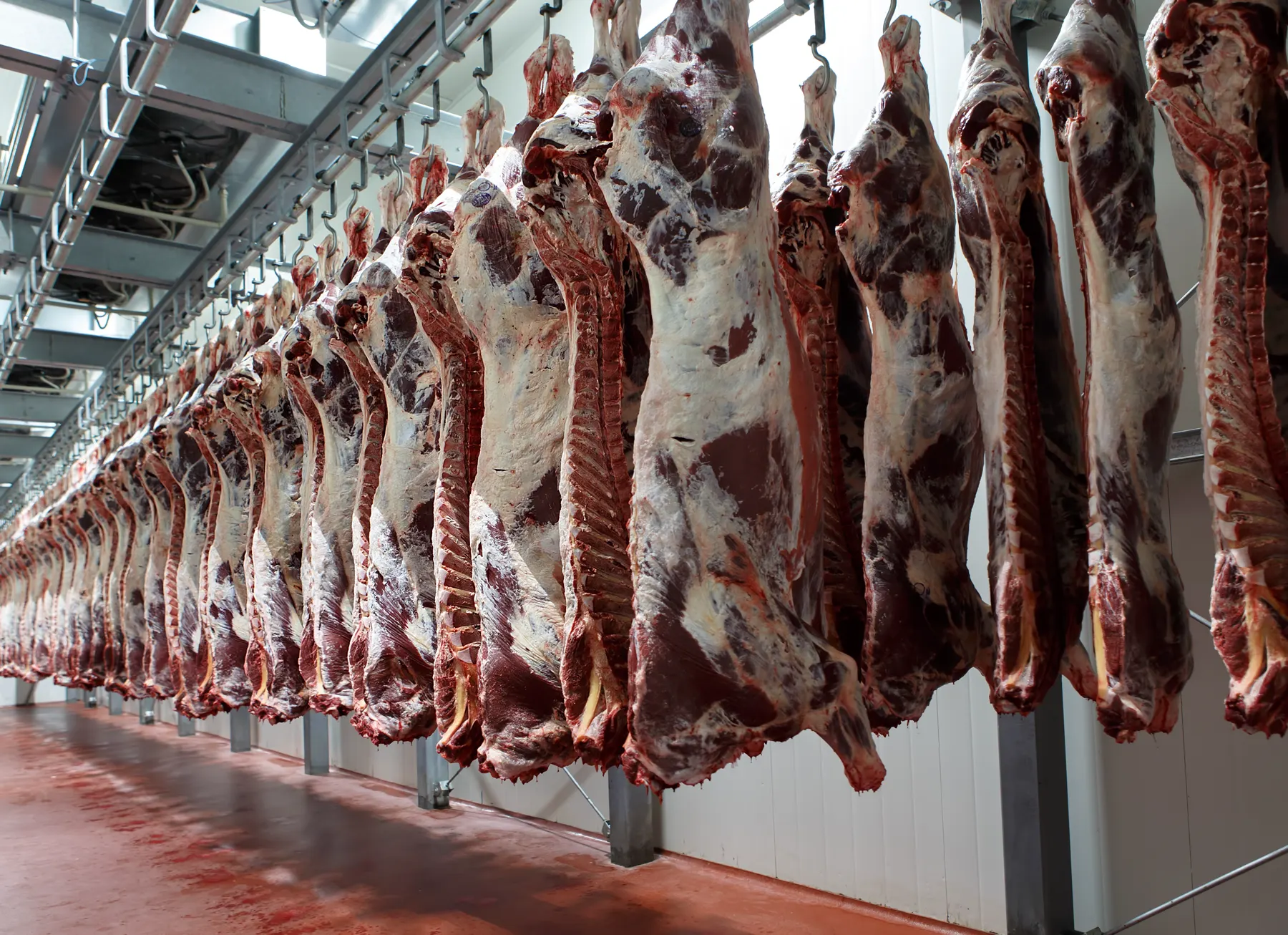
Chilled meat carcasses hanging on cold-room rails

Logistics

Cold chain and logistics turn production into reliable market access.

The platform links processing hubs to temperature-controlled storage, refrigerated fleets, national distribution centers, buyer documentation, and export channels.

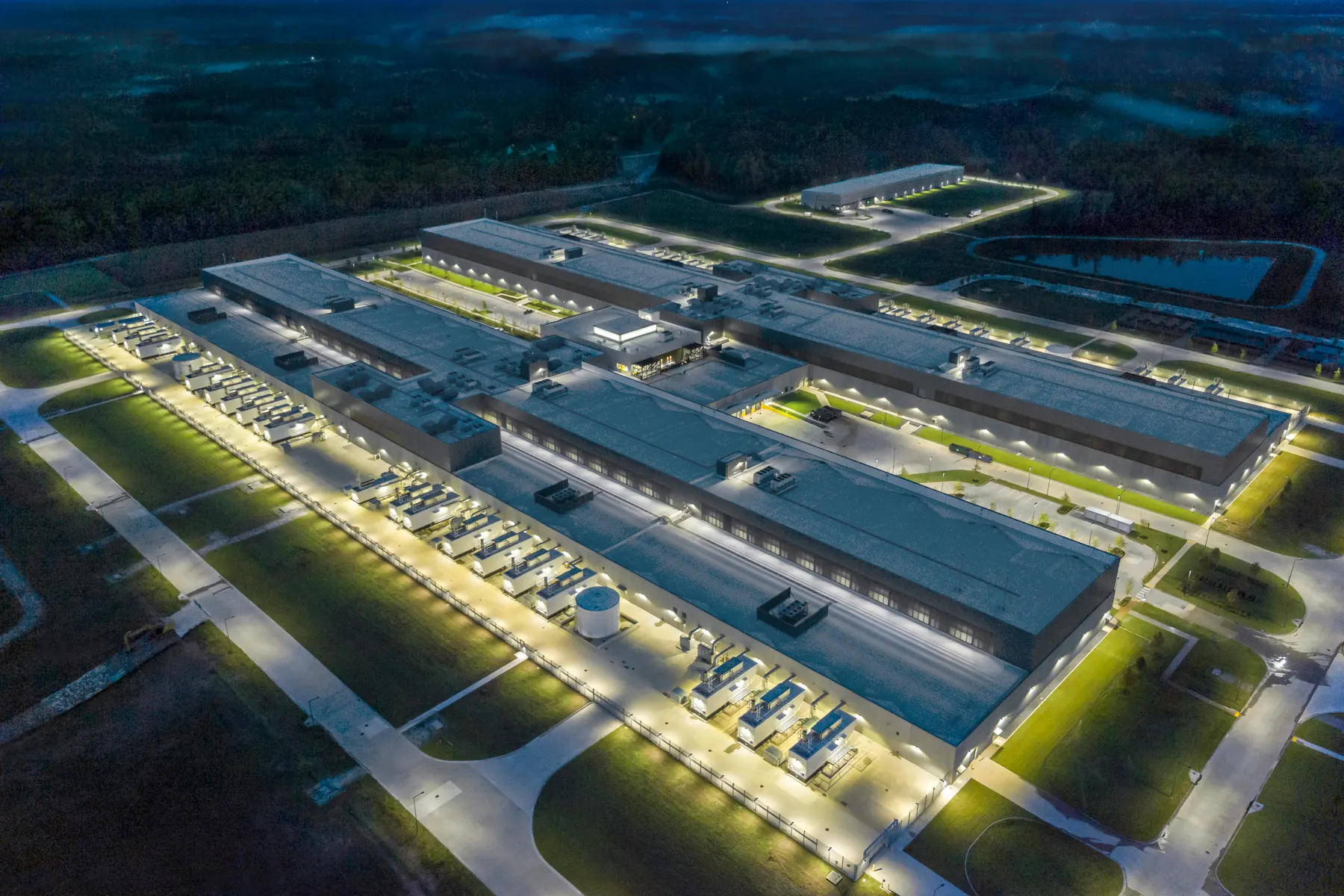
Aerial view of an illuminated industrial campus with roads, utility yards, and service buildings

Power distribution

Power distribution centers anchor uptime across the campus.

Processing, refrigeration, pumps, worker housing, clinics, schools, and civic services all depend on dependable power distribution planned as part of the hub, not added later.

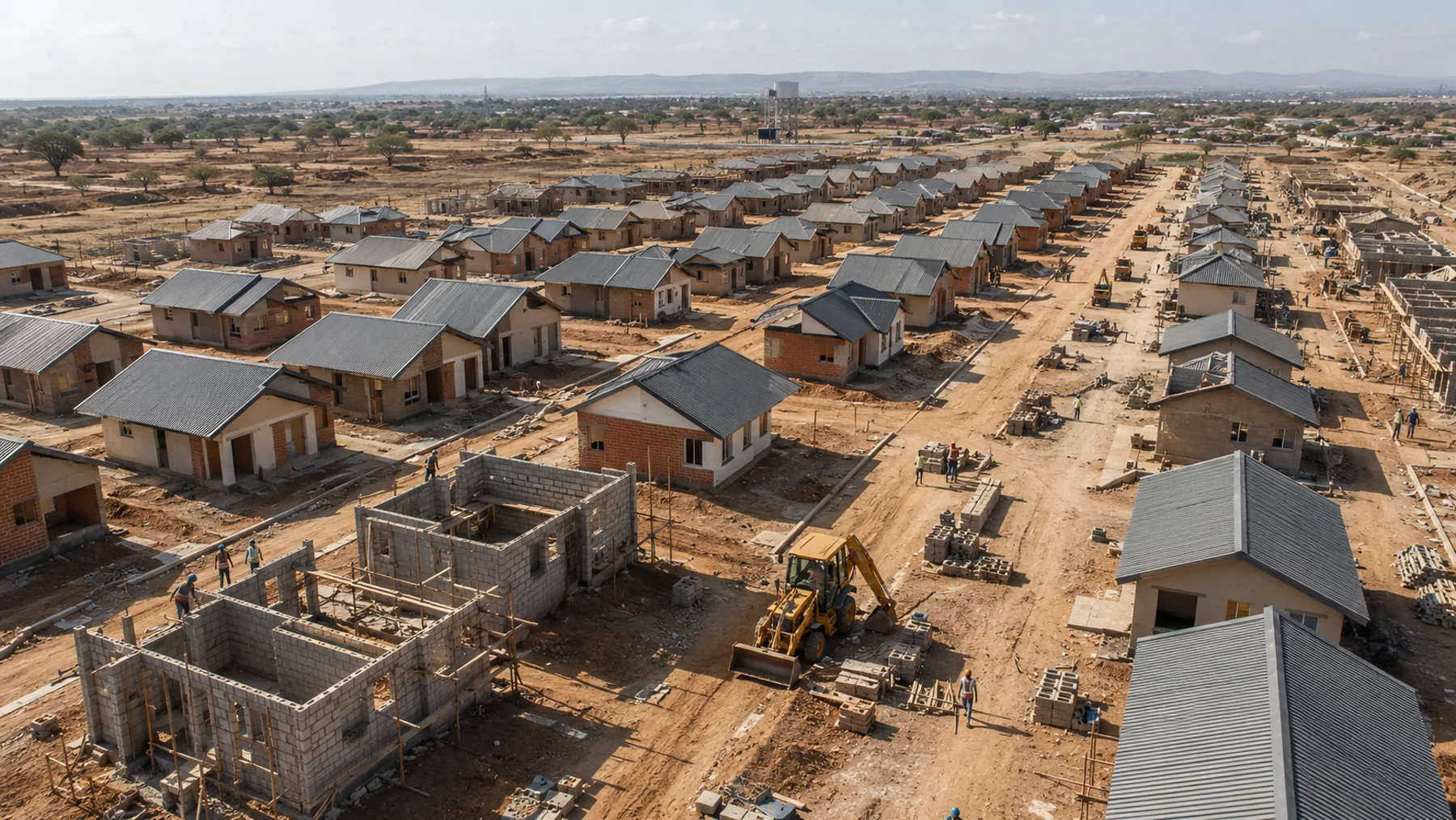
Worker housing development under construction with roads and service infrastructure

Housing and township infrastructure

Worker housing and civic services make the hub livable.

Fulcrum plans housing, roads, lighting, clinics, schools, markets, childcare, and community services around each operating campus so jobs can become durable livelihoods.

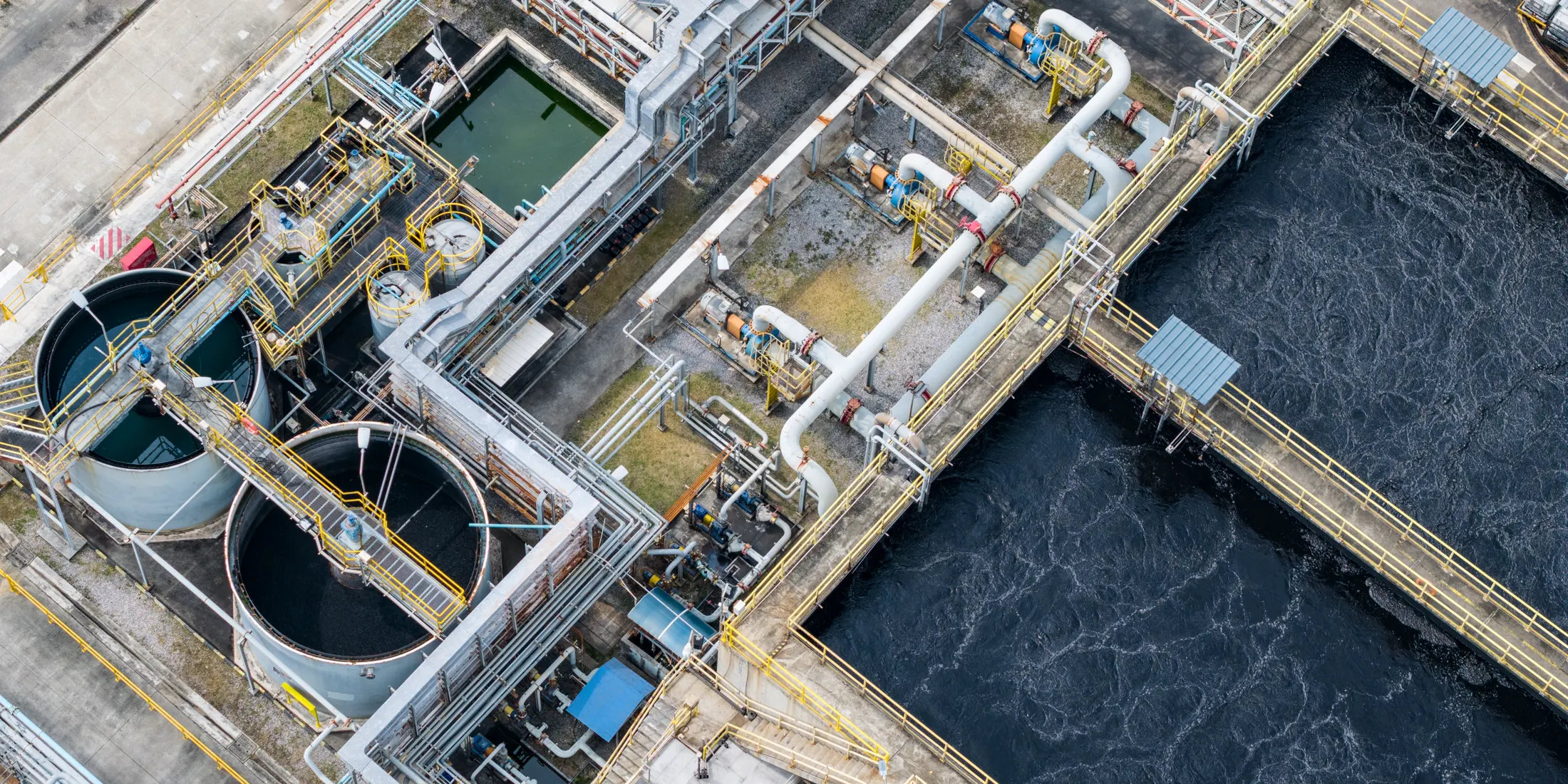
Aerial view of an industrial water treatment and filtration facility

Water and sewage treatment

Clean water, wastewater, and sewage treatment protect food safety and community health.

Water supply, filtration, storage, testing, reuse, and pumping capacity are designed into the platform because hygienic processing cannot run on unreliable utilities.

Sewage filtration, wastewater treatment, recycling, and discharge controls are part of the same service layer, protecting surrounding communities and keeping campuses compliant.

Renewable energy

Renewable energy reduces fuel risk and supports self-sustaining hubs.

Solar, biogas, battery storage, controls, and maintenance training help each hub reduce diesel dependence while supporting processing uptime and community loads.