Hygienic meat processing
Conveyor-based production flows, hygienic work zones, and food-safety discipline inform the hub designs.

Flagship platform
A planned USD 25B, 10-year infrastructure program to build six export-grade halal processing hub townships across Northern Nigeria with national cold chain, embedded energy, housing, water, and market access.
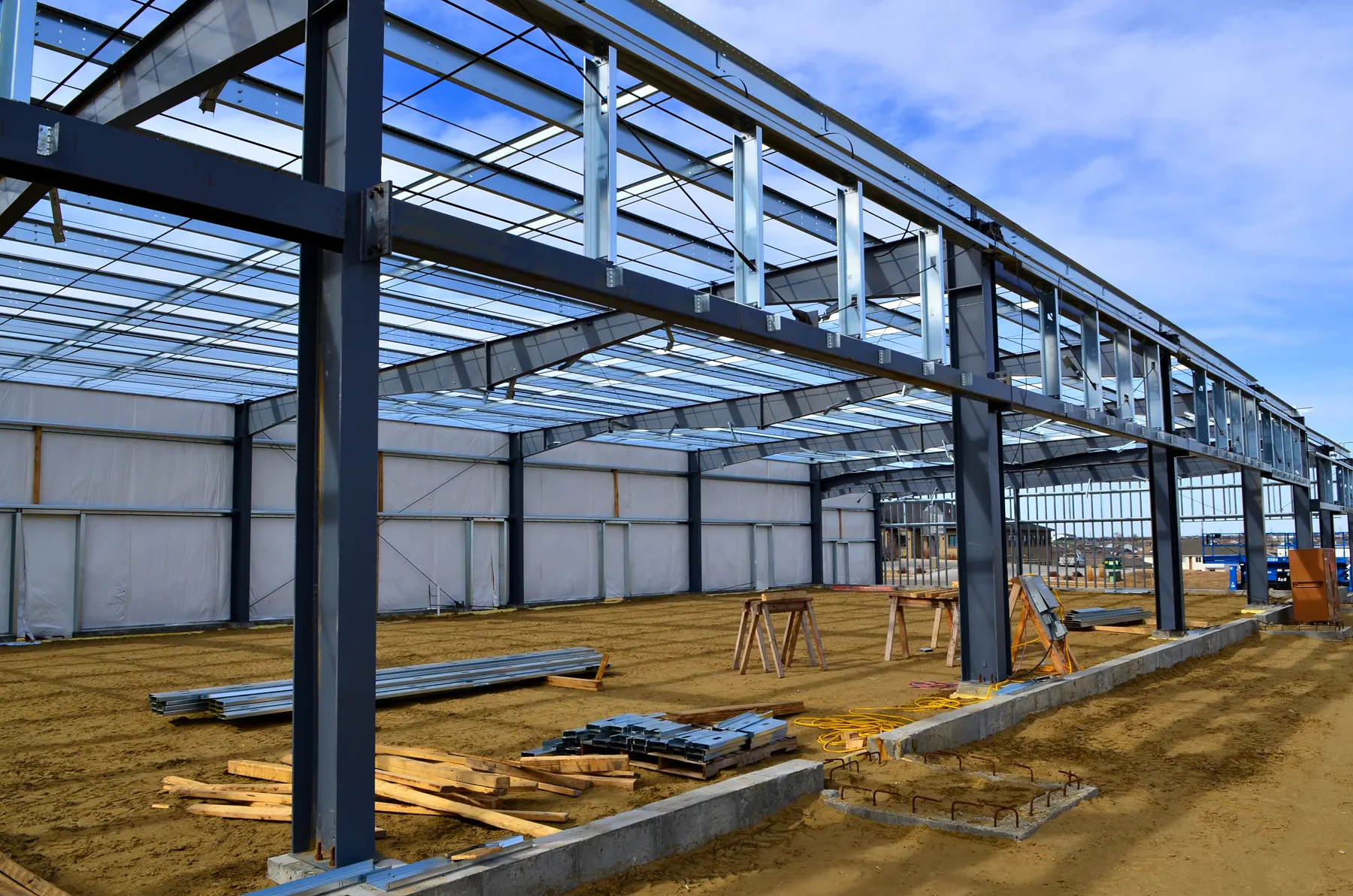
From crisis to commerce
The platform is designed to replace the economics of open grazing with the economics of formal market access: published prices, mobile payments, veterinary services, feedlot conditioning, traceability, and reliable offtake.
Each animal is intended to move through a transparent chain from purchasing station to feedlot, processing, packaging, cold storage, and final market.
Built operator proof
Fulcrum's platform is informed by hygienic meat-processing facilities already built or under construction, including conveyor-based production, cold rooms, process controls, and the power systems required to keep food-safe operations running.
Conveyor-based production flows, hygienic work zones, and food-safety discipline inform the hub designs.
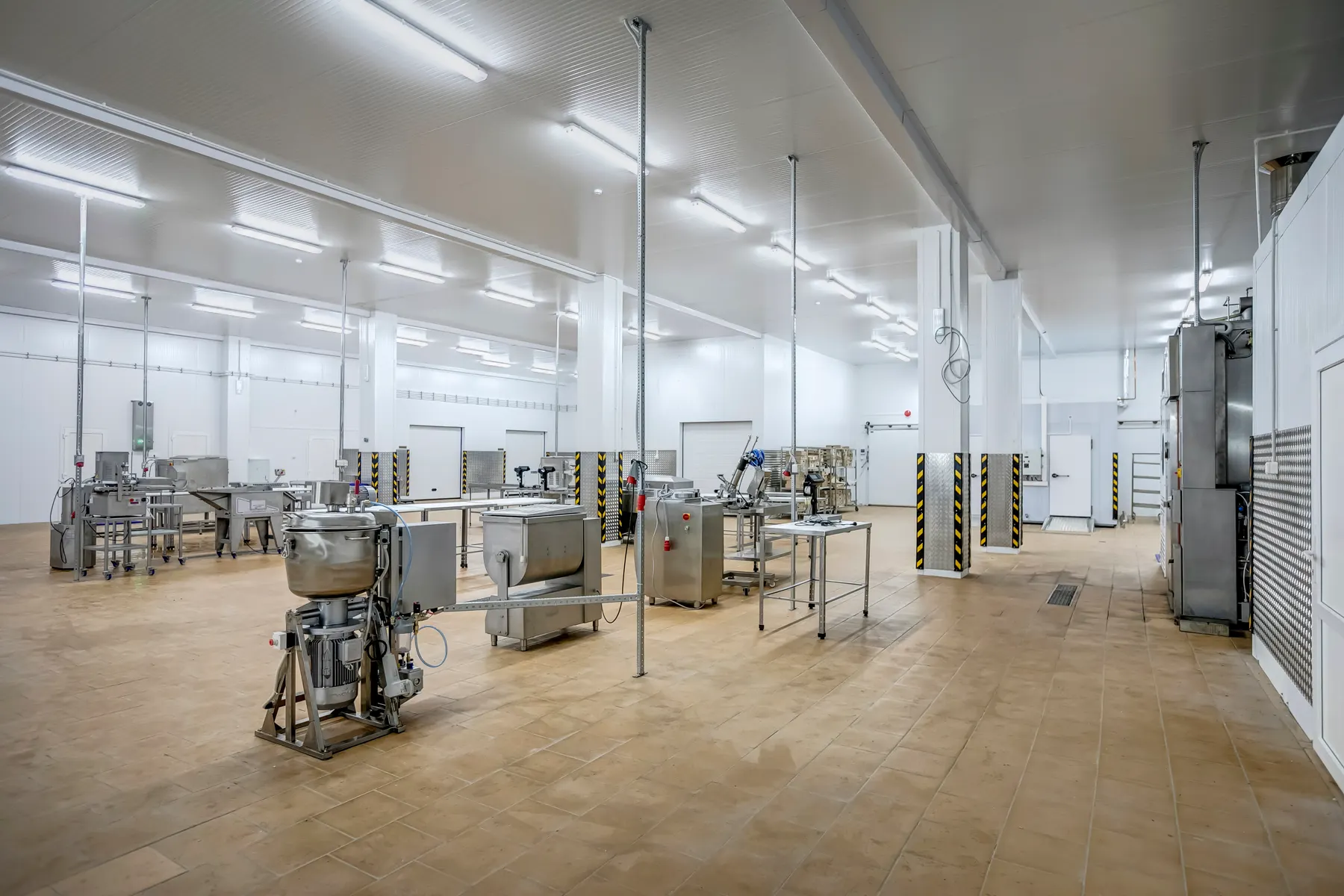
Processing rooms, cold storage, cleaning protocols, and controlled movement are treated as core infrastructure.
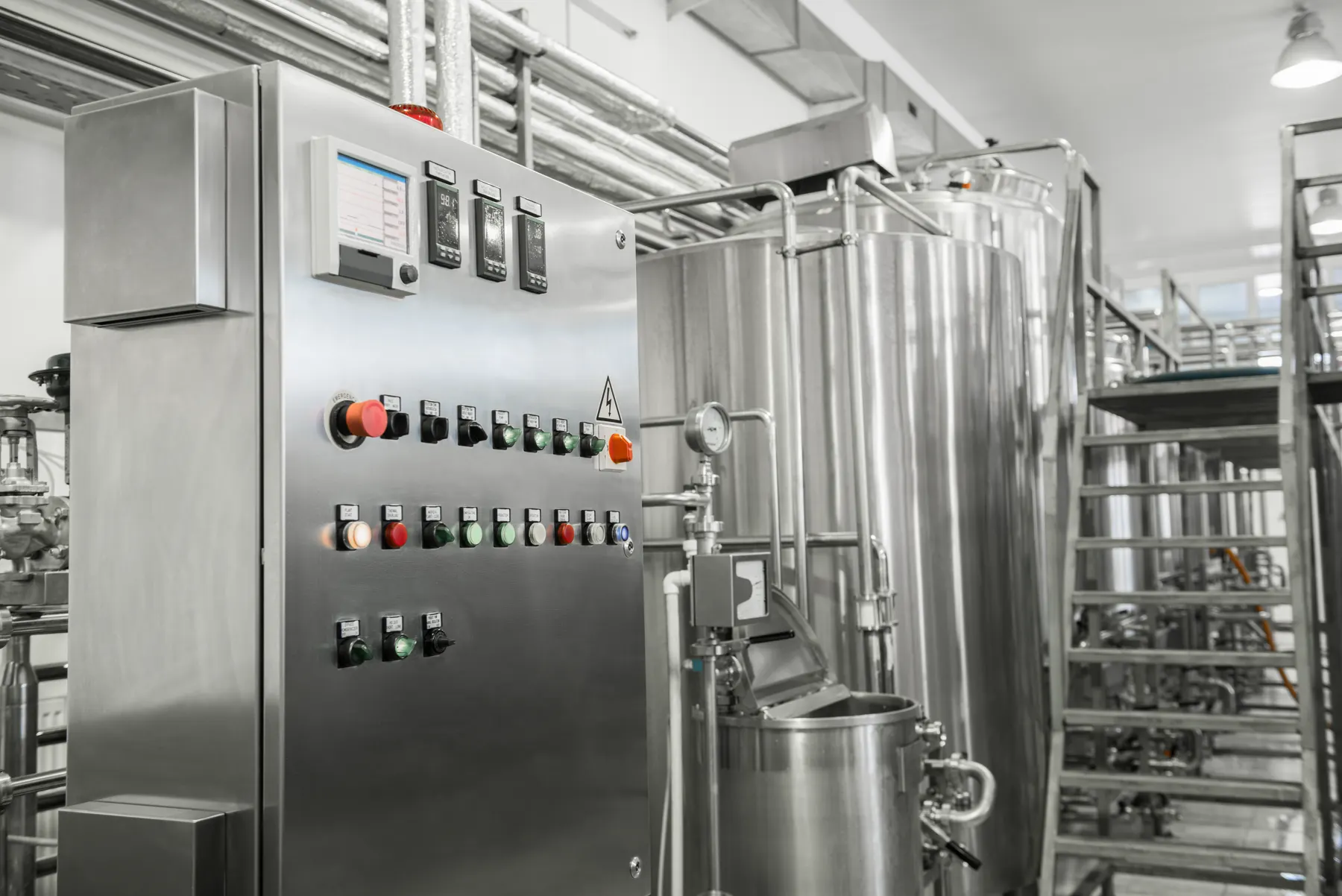
Reliable power, pumps, sensors, refrigeration, and control panels are designed around uptime, safety, and maintenance.
Footprint
First hub candidate with access to the Minna-Abuja corridor.
Northeast logistics position and planned second hub sequencing.
Livestock corridor access around established commercial zones.
Northwest route toward Kano and cross-border supply.
Positioned near existing livestock markets and regional routes.
Northwest livestock corridor and cross-border aggregation.
Infrastructure lanes
Halal slaughter, fabrication, rendering, dairy, packaging, and food safety systems.
Feedlot conditioning, irrigated cropping, grazing rehabilitation, feed mills, and veterinary access.
Hub-adjacent cold storage, national distribution centers, satellite depots, and refrigerated fleets.
Solar, biogas, battery storage, water supply, treatment, recycling, and campus utilities.
Worker housing, schools, clinics, markets, childcare, and community services around each hub.
RFID livestock tracking, enterprise resource planning, temperature monitoring, and investor reporting.
Development path